Myths Around Daily Vitality and Food
Examining common misconceptions about nutrition, food, and daily energy with science-based corrections.
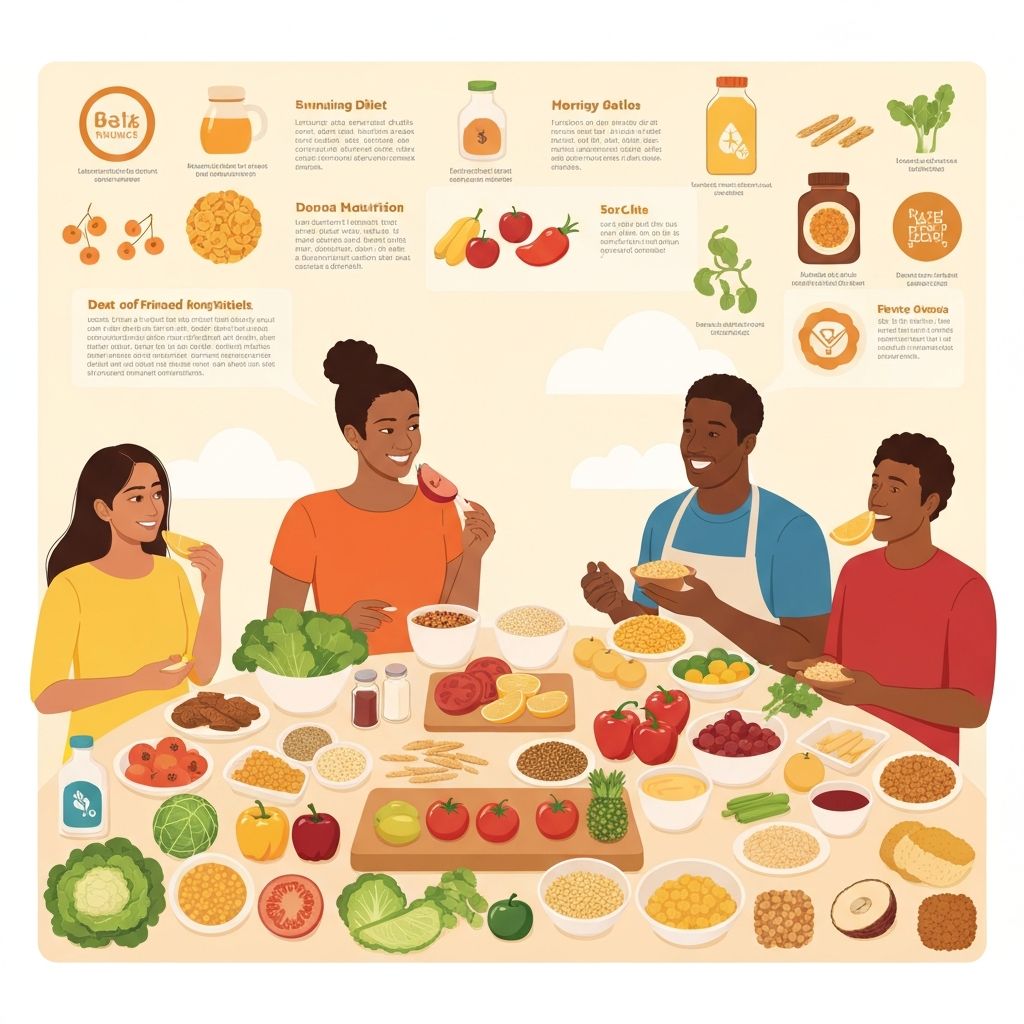
Examining common misconceptions about nutrition, food, and daily energy with science-based corrections.
The Claim: Certain foods (celery, lettuce) require more energy to digest than they contain, resulting in net energy loss.
The Reality: While some foods do have high thermic effects (energy cost of digestion), no food has negative net calories. Even celery, with roughly 6 calories per stalk, requires only ~1 calorie to digest, resulting in a net gain of ~5 calories. The thermic effect of food typically accounts for 10% of total daily energy expenditure at most, and no food exceeds 100% thermic efficiency.
The Claim: Eating carbohydrates automatically leads to weight gain because they spike insulin.
The Reality: Carbohydrate-rich populations worldwide maintain healthy weights. Research comparing low-carbohydrate and higher-carbohydrate diets finds no inherent weight gain from carbohydrates. Weight change depends on total calorie balance, not nutrient composition. Refined carbohydrates may promote overeating through lower satiety, but whole-food carbohydrate sources support health across diverse populations.
The Claim: Skipping breakfast slows metabolism and leads to weight gain.
The Reality: Research shows no consistent effect of breakfast on metabolic rate or weight. Some people feel better eating breakfast; others thrive with intermittent fasting or late breakfast. Individual preference and appetite signals are more important than rigid breakfast consumption. Metabolic rate is determined primarily by body composition and activity level, not meal timing.
The Claim: Dietary fat is automatically converted to body fat.
The Reality: Your body prefers to burn dietary fat as fuel rather than storing it. Excess energy from any source (carbohydrates, protein, or fat) can be stored as body fat, but fat doesn't have a unique advantage in this process. Populations consuming high-fat diets (Mediterranean, Nordic) maintain healthy weights. Weight gain occurs with energy surplus regardless of macronutrient composition.
The Claim: A calorie is a calorie regardless of source.
The Reality: While calories measure energy accurately, different foods affect satiety, hormone signalling, nutrient delivery, and metabolic efficiency differently. A calorie from protein produces different metabolic and satiety effects than a calorie from refined carbohydrates. Food quality, nutrient density, and whole-food sources matter beyond pure calorie count, affecting long-term weight stability and energy patterns.
The Claim: Eating fewer meals means eating fewer calories overall.
The Reality: Research finds no difference in total daily intake between people eating 3 meals versus 5–6 small meals, controlling for food types. What matters is what you eat, not meal frequency. Some people find fewer, larger meals support satiety; others do better with frequent small meals. Meal frequency should align with individual appetite and lifestyle, not prescribed rules.
The Claim: Spicy foods, caffeine, or special supplements can substantially boost metabolic rate.
The Reality: While some foods produce minor thermogenic effects (caffeine increases metabolic rate ~3–5%, capsaicin in chilli maybe 1–5%), these effects are small and unsustained. No food or supplement substantially alters metabolic rate. Body composition, physical activity, and age are the primary determinants of metabolic rate—not food selection.
The Claim: Sugar consumption causes immediate harm, and fruit is "just sugar" that should be minimised.
The Reality: While excessive refined sugar intake has negative health associations, moderate consumption in context of healthy diet is not harmful. Fruit contains sugar alongside fibre, water, micronutrients, and phytochemicals. Research consistently shows fruit consumption associated with health benefits, not harm. The distinction is between added refined sugars and naturally occurring sugars in whole foods.
The Claim: Special "detox" foods or supplements remove accumulated toxins from your body.
The Reality: Your liver and kidneys continuously filter waste products and maintain detoxification. No food or supplement enhances this process substantially. "Detox" diets lack scientific evidence for their claims and may even stress renal and hepatic function. Adequate hydration, consistent nutrient intake, and eliminating actual toxins (alcohol, smoking) support natural detoxification.
The Claim: You can exercise your way to health and weight loss without changing diet.
The Reality: Exercise supports health through metabolic, cardiovascular, and psychological benefits independent of weight change. However, research shows weight loss primarily reflects dietary intake. Exercise without dietary change produces modest weight changes at best. Conversely, modest activity increases paired with dietary improvements produce significant health benefits regardless of weight outcomes.
Nutrition research often reveals surprising findings because human physiology is complex, and different people respond differently to nutritional changes. What works for one person may not work for another due to genetics, microbiome, activity patterns, and individual preferences. The most effective nutrition approach is one you can sustain long-term, supports stable energy, and aligns with your values and lifestyle.
Rather than seeking the "perfect" diet or looking for foods with special properties, focus on consistency: eating whole foods most of the time, getting adequate protein and fibre, staying hydrated, and paying attention to satiety cues. These fundamentals support stable energy and health across most individuals and populations.
This article provides general educational information correcting common misconceptions about nutrition and food. It does not constitute medical or nutritional advice. Individual nutritional needs vary based on health status, activity level, and other factors. For specific health concerns or dietary guidance, consult qualified healthcare professionals or registered dietitians.
Discover additional articles on nutrition, lifestyle, and daily energy dynamics.
Discover More